
If you have a sliding door in your home that rattles, clicks, or scrapes every time it moves, you’re not alone. Noisy sliding doors are one of the most common search queries online—and for good reason. Whether you’re a builder looking to advise a client, an architect specifying high-performance door systems, or a homeowner wanting a quick fix, understanding the causes and solutions can make a world of difference.
In this guide, we break down why sliding doors rattle and what you can do to fix the issue for good.
Why Sliding Doors Start Rattling

Most rattling problems come from age, wear, or outdated hardware. Older internal sliding doors were commonly installed using rolled steel tracks paired with nylon wheel runners. Over time, this combination becomes noisy as the steel surface wears and the nylon wheels deform. This leads to that familiar clicking, clunking, or rumbling sound during operation. Alternatively, the hanger body could have broken or a wheel come loose, being dragged through the track each time you slide your door.
If your door construction is hollow, the problem becomes even more noticeable. Hollow-core doors act like a sound amplifier, causing vibrations from worn hardware to reverberate through the door panel and make the noise significantly louder. This is especially problematic in high-traffic areas or quiet zones like bedrooms, studies, and ensuites.
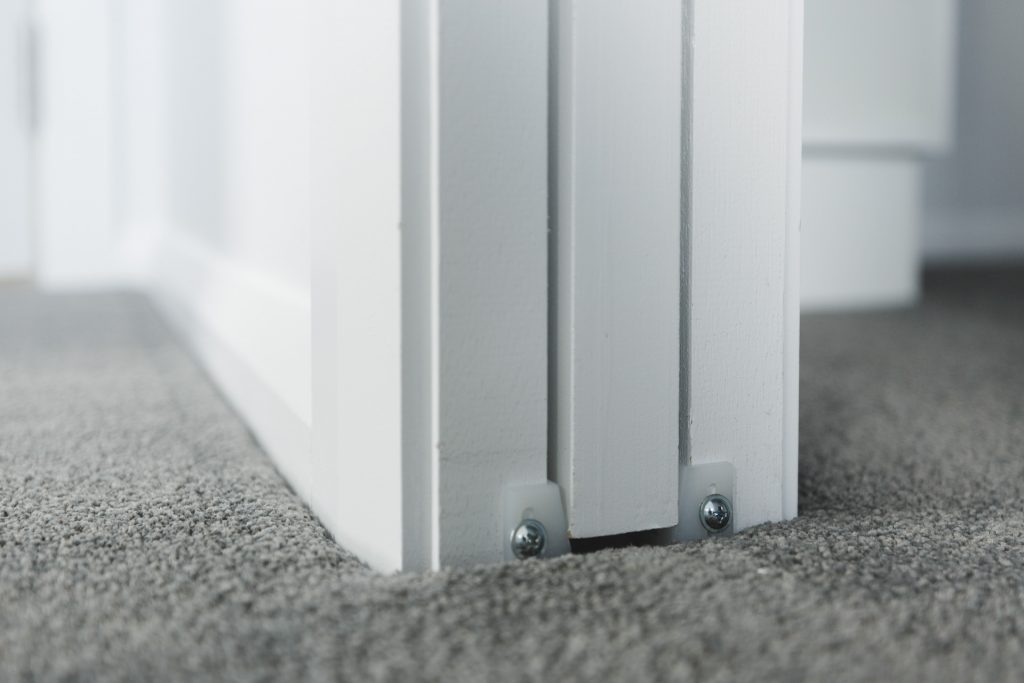
A scraping noise, however, could point to a different issue: the bottom guide. When a bottom guide becomes dislodged, worn, or broken, the door loses lateral stability. This causes the panel to rub or scrape against the wall face or inside of the wall cavity—another common cause of noise in older cavity sliding doors and surface sliders.
The Most Effective Solutions
Fixing a rattling sliding door starts with identifying the core cause, but in many cases, a full hardware upgrade gives the best long-term results. Here’s what builders and renovators should consider:
1. Upgrade to a Solid Door Panel
Switching from a hollow door to a solid core significantly reduces noise. Solid doors reduce vibration and provide better acoustic performance, making them ideal for modern homes where sound transfer is a key design consideration. If you’re replacing interior sliding doors in bedrooms or media rooms, this is one of the most impactful upgrades, not only with sound but also thermal properties.
2. Replace the Old Track
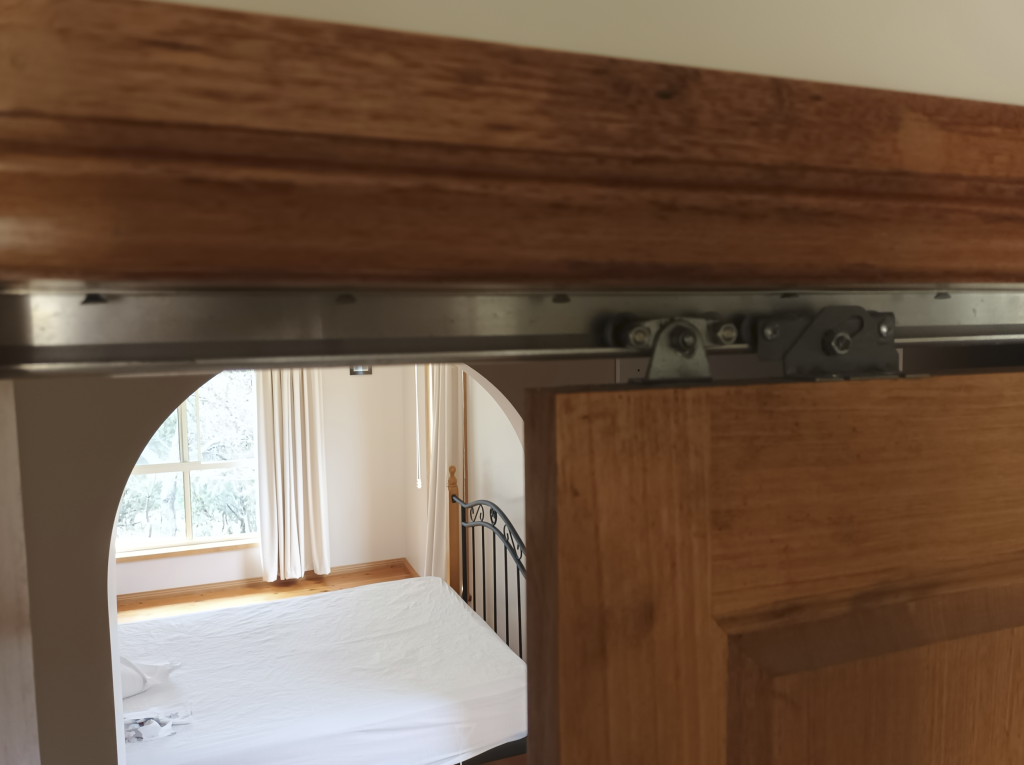
Rolled steel tracks were once standard, but aluminium tracks have become the industry benchmark for smooth and quiet operation. When paired with modern roller assemblies, aluminium tracks reduce friction, eliminate clunking, and provide long-term performance—especially in high-use areas.
This is particularly relevant when upgrading older timber sliding doors, which often still rely on aging steel channels.
3. Install New Rollers
Worn rollers are the number-one cause of rattling. Installing a new set of high-quality track and rollers ensures consistent movement and eliminates vibration. Look for soft-close or premium ball-bearing roller systems, as these dramatically improve the user experience.
4. Check & Replace the Bottom Guide
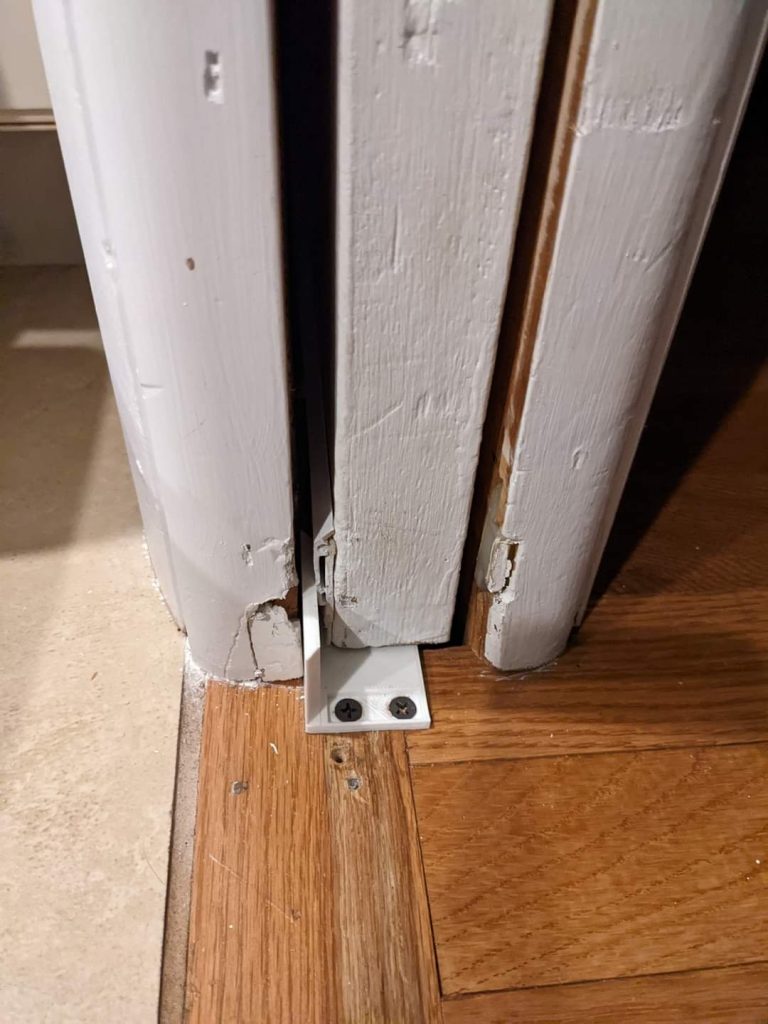
A faulty bottom guide compromises stability and allows the door to move excessively, resulting in scraping and rattling. Replacing the guide ensures the door stays aligned and moves smoothly within the track system.
Considering a Full Sliding Door Upgrade?
If the existing system is particularly old, it may be worth replacing the entire assembly. Modern pocket door systems and surface slider kits come in a wide variety of options—from simple DIY upgrades to premium architectural systems designed for new builds.
Whether you’re replacing outdated hardware or designing a new space, high-quality cavity sliding doors and contemporary hardware solutions offer quiet, smooth, and reliable operation for years to come.
Final Thoughts
Rattling sliding doors don’t just disrupt the flow of a space—they signal that the hardware or door construction has reached the end of its lifespan. By upgrading your track, rollers, door panel, and bottom guide, you can transform a noisy, frustrating door into a smooth and silent feature.
If you’re exploring replacement options, need advice on specification, or want to upgrade to a modern cavity or surface slider system, our team at Triline Door Solutions can guide you toward the right product for your project.
